Few home upgrades deliver as much daily convenience, security improvement, and added property value as a properly installed automatic garage door opener. This guide serves two audiences equally well: the DIY enthusiast ready to tackle the project, and the homeowner preparing to hire a professional installer who wants to understand what they're paying for. Across the sections that follow, we cover garage door automatic opener installation from end to end — components, safety, troubleshooting, smart upgrades — so the decision and the execution both happen with full information.
The Fundamentals of Garage Door Automatic Opener Installation
Installing an automatic garage door opener means installing an electric motorized system to replace manual lifting — the door now opens via remote control or wall-mounted controls. Beyond the obvious convenience benefit, the electric motor garage door opener delivers measurably better security through coded access, enhanced safety features through sensor systems, and improved home insulation and noise reduction compared with traditional manual doors. The full garage door automatic opener installation earns its place as one of the higher-value home upgrades a homeowner can make.
Multiple components work together during installation — motor unit, control systems, sensors, and remote transmitters all need to integrate correctly. Knowing how the installation process actually proceeds gives homeowners the information they need to confidently choose between professional installation and a DIY approach.
Understanding Garage Door Opener Components
Knowing the main components of a garage door automatic opener system matters before you begin any install work. Each component plays a specific role in the system.
- Motor Unit: The heart of the opener, houses the electric motor and control board.
- Drive Mechanism: Includes drive chain, belt drive, or screw drive options that move the door along the rail system.
- Control Board and Opener Gears: Handle the door's movement and the limit switch settings.
- Remote Control, Wireless Receiver, and Transmitter: Enable wireless operation across the door opener system.
- Wall Button and Keypad Entry: Provide manual activation from inside the garage and code-based entry from outside.
- Safety Beam and Infrared Sensors: Detect obstructions during door operation — a critical safety feature.
- Battery Backup and Power Supply: Keep the opener working through power outages so access remains available.
- LED Light: Lights the garage area whenever the door operates, helping both visibility and security.
How to Properly Prepare for Installation
A smooth garage door automatic opener installation starts with proper preparation rather than rushing into the install itself. The door panel, frame, and threshold each need inspection for damage or alignment issues that would affect opener performance. Door balance must be verified, and the torsion or extension springs must be confirmed safe before any further work proceeds.
You will also need to gather mounting hardware such as brackets, rails, door arms, copyright pins, and track rollers to ensure secure attachment of the operator head and rail system. Consider adding weather seals and insulation to your garage door for enhanced energy efficiency and noise reduction post-installation.
Tools You'll Need for the Installation
- Manufacturer's installation kit containing mounting hardware and manual release tools.
- Common tools — cordless drill, socket wrench set, screwdriver, pliers, tape measure, and level.
- Safety equipment too — ladder, protective eyewear, and gloves.
- Some heavy-duty installations require specialized equipment beyond what's in a typical DIY toolkit; recognize when a professional installer's gear matters.
The Step-by-Step Installation Walkthrough
Follow these steps carefully to install your garage door automatic opener correctly:
- Position the Motor Unit and Rail System: Connect the rail to the motor unit, then extend it toward the door while aligning to the door's centre.
- Attach Mounting Bracket and Operator Head: Secure the bracket to the garage ceiling and connect the operator head to the door arm.
- Connect Drive Chain, Belt, or Screw Drive: Choose your drive type and install it according to manufacturer instructions, adjusting tension properly.
- Wire Wall Button and Keypad Entry: Route wiring from the motor unit to the wall-mounted controls — secure connections and good placement both matter.
- Set Limit Switch and Adjust Opener Gears: Set the door's open and close limits properly — the motor needs to stop at the correct positions for safe operation.
- Install Sensors and Safety Beam: Install the infrared sensor beams on both sides of the doorframe — they prevent closure on obstacles.
- Connect Battery Backup and Power Supply: Connect the power supply, then install the battery backup unit so the opener keeps working through outages.
- Program Remote Control and Wireless Keypad: Follow the opener's programming procedures to sync remote transmitters and keypad codes with the motor unit.
Safety Considerations Worth Knowing
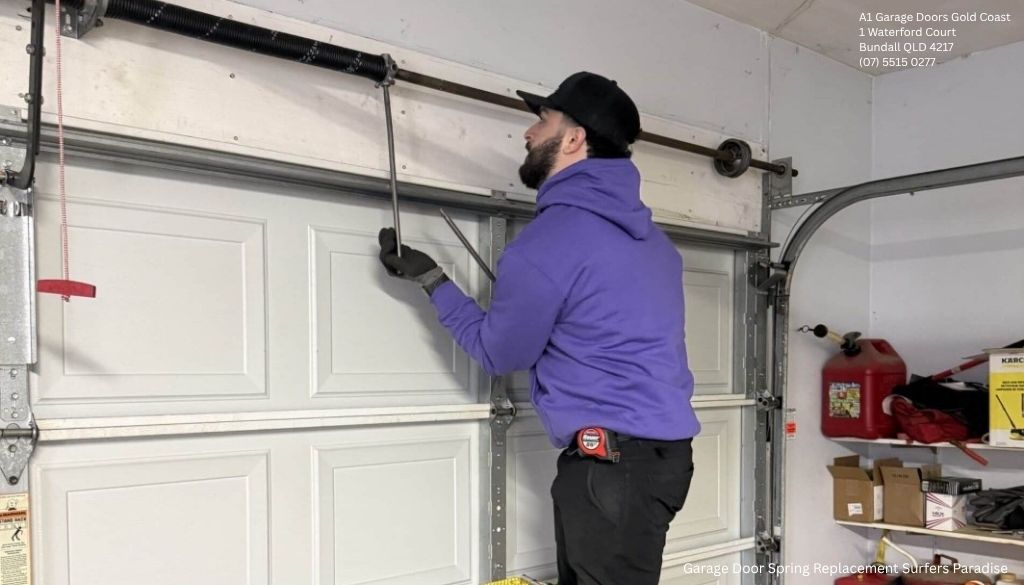
Garage door automatic opener installation requires particular attention to safety protocols:
- Always verify sensor safety by testing the infrared beams to stop door closure when obstructed.
- Ensure door balance and spring tension happen to be correctly adjusted before installation to avoid door dropping unexpectedly.
- Learn how the manual release mechanism works so you can disengage the opener in an emergency.
- Alarm system integration and security locks add real protection against unauthorized access — both worth considering.
- Wear personal protective equipment and stay out from under any partially installed door.
Common Installation Issues Worth Troubleshooting
The most careful installations still encounter issues sometimes. Common problems and their solutions:
- Remote Battery Problems: Replace batteries if remotes fail to activate the opener.
- Transmitter or Wireless Receiver Malfunctions: If signals aren't reaching the motor unit, reprogram the devices or inspect the wiring.
- Misaligned Sensors: Realign the safety beam sensors so they face each other directly without anything blocking the beam.
- Noisy Operation: Apply lubricant to moving parts and inspect mounting hardware for looseness that could cause vibration.
- Door Not Closing Properly: Reset the limit switches, then verify the door balance and spring tension are both correct.
- Drive Chain Slipping or Belt Noise: Chain tension adjustment or worn belt replacement reduces the noise and restores proper function.
- Control Board Malfunctions: Look for moisture damage, corrosion, or wiring damage, then consult the manufacturer's manual for reset procedures.
Why a Professional Installation Is Worth Considering
DIY installation works for some homeowners, but a professional installer brings several real advantages worth weighing.
- Correct Installation: Mounting security and wiring to safety standards both improve when a professional handles the install.
- Safety Compliance: Experts are trained in handling springs, cables, and electrical components safely.
- Warranty Protection: Professional installation often keeps product warranties valid.
- Expert Troubleshooting: Quick resolution of complex issues saves time and prevents damage.
- Peace of Mind: Stress and liability concerns both drop when you know the job has been done correctly.
How to Maintain Your Automatic Garage Door Opener
Maintenance extends the opener's lifespan and keeps safety features working properly.
- Schedule regular inspections of springs, cables, and rollers so wear gets caught before it becomes a problem.
- Change the remote batteries on a regular schedule and clean the keypad covers to protect the electronics underneath.
- copyrights, tracks, and drive mechanisms all need lubrication to reduce friction and operating noise.
- Clean and inspect weather seals and door insulation to maintain energy efficiency.
How to Upgrade to a Smart Garage Door Opener
Modern smart emergency garage door services Gold Coast garage door openers offer enhanced functionality beyond standard models:
- Smart Garage Integration: Connect your opener to home automation systems for remote control via smartphone apps.
- App Control and Notifications: Receive alerts when the door opens or closes and control it from anywhere securely.
- Advanced Motion Detectors and Sensors: Real-time monitoring and automatic lighting both improve security on smart-enabled openers.
- Wireless Connectivity: Wi-Fi or Bluetooth compatibility means updates and feature additions install easily over time.
- Added Security Features: Smart openers add two-factor authentication, encrypted communication, and temporary access codes for stronger protection.
FAQs About Garage Door Automatic Opener Installation
- How long does it take to install a garage door automatic opener?
Most installations run 2 to 4 hours — door type, opener model, and installer experience drive the variation. - Can a homeowner safely install an automatic garage door opener?
The answer tends to be yes when you have the right tools, knowledge, and safety practices in place — though challenging setups or spring adjustments often call for a professional. - What post-installation problems occur most frequently?
The frequent problems include misaligned sensors, remote control malfunctions, noisy operation, and incorrect door limits. - How can I tell if my garage door works with an automatic opener?
Most sectional and tilt-up doors happen to be compatible, but check door weight, size, and spring type before selecting an opener model. - Which safety features need verification after installation?
Confirm the infrared safety beams work, the manual release functions, mounting is secure, and door balance is adequate. - Is a battery backup necessary for automatic garage door openers?
Highly recommended — battery backup keeps the opener working through power outages and delivers genuine peace of mind. - How frequently does a garage door opener need maintenance?
It's advisable to perform maintenance checks at least twice a year and lubricate moving parts annually.
In conclusion, garage door automatic opener installation happens to be a valuable upgrade for any homeowner seeking convenience, safety, and modern features. By understanding essential components, preparing thoroughly, following detailed installation steps, and adhering to safety tips, you can achieve a successful setup—whether you choose the DIY route or professional assistance. Regular maintenance and potential smart upgrades will keep your system running smoothly for years to come. Ready to enhance your garage access? Start planning your installation today or consult a professional to get started!